From Neon to LED: The Evolution of Signage Technology

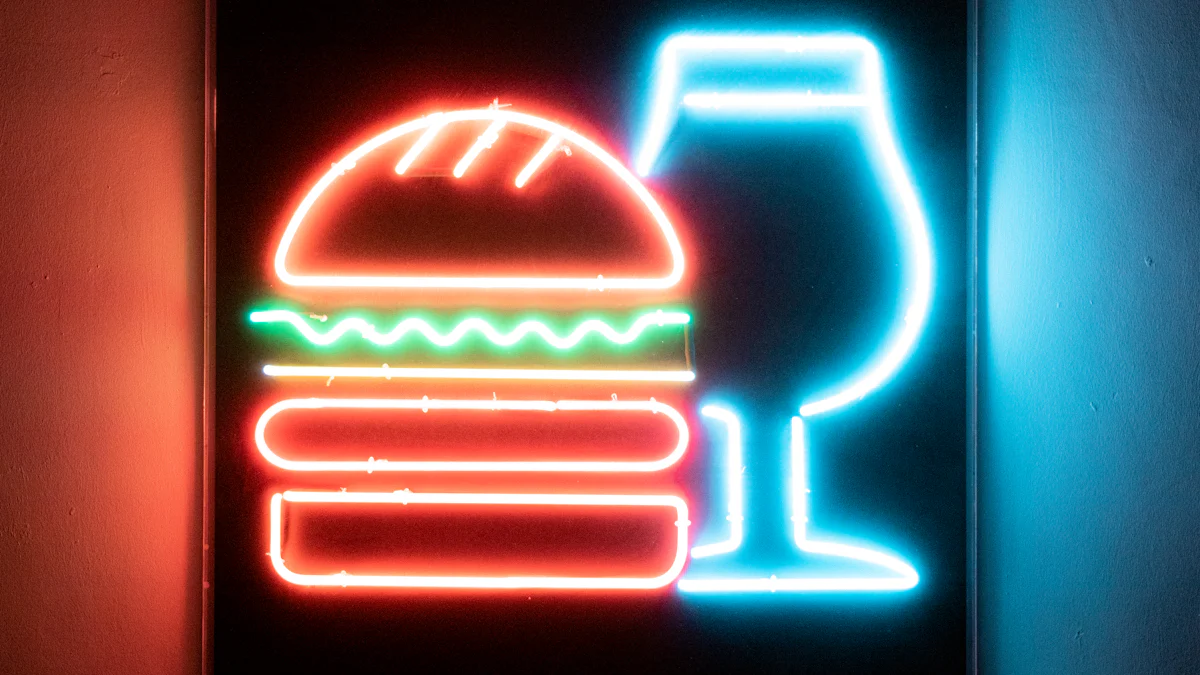
The evolution of signage technology has witnessed a remarkable shift from traditional neon signs to modern LED alternatives. This transition holds immense significance in the realm of advertising and visual communication. Businesses are increasingly recognizing the advantages of embracing LED neon signs over conventional options. In this blog, we will delve into the historical journey of neon signs, explore the manufacturing processes behind these iconic displays, including the creation of a game neon sign and a Miller Genuine Draft neon sign, and analyze the environmental impact of both neon and LED technologies, with a particular focus on the neon red sign.
History of Neon Signs
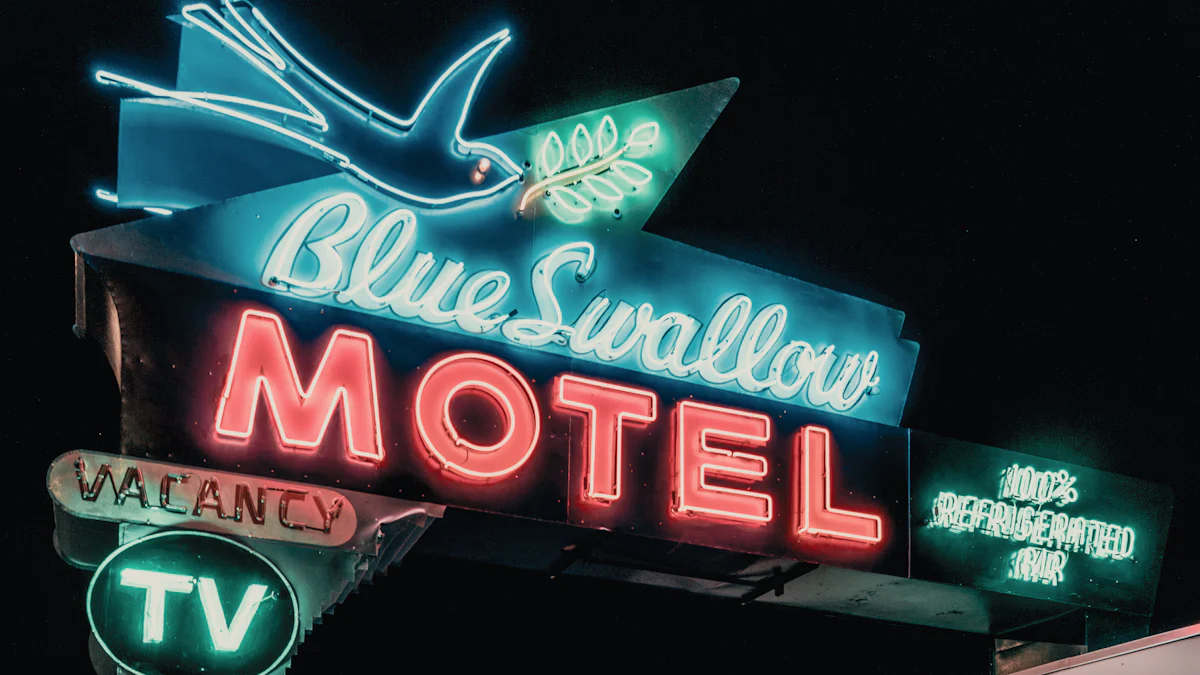
The inception of neon signs dates back to the early 20th century when French engineer Georges Claude introduced the world to the first-ever neon light. This revolutionary invention sparked a wave of creativity in advertising and visual communication, leading to the widespread adoption of neon signs across major cities globally.
During the 1920s and 1930s, neon signs transcended their utilitarian purpose and evolved into works of art that reflected cultural and artistic movements of the time. Cities like Las Vegas embraced these luminous creations, transforming their streets into vibrant, glowing spectacles that captivated both locals and tourists alike.
As neon sign companies emerged, the craftsmanship behind each neon creation became a blend of science and artistry. The meticulous process of shaping glass tubes and infusing them with gases to produce vivid colors elevated neon signs to iconic status in the advertising industry. By the mid-1930s, neon signs had become synonymous with eye-catching displays that drew attention and conveyed messages with unparalleled visual impact.
The game neon sign stands as a testament to the enduring appeal of neon technology in capturing attention and creating memorable impressions. Its bold colors and dynamic glow make it a popular choice for establishments seeking to stand out in crowded urban landscapes. Similarly, the Miller Genuine Draft neon sign exemplifies how brands leverage the unique characteristics of neon lighting to enhance brand visibility and create an inviting ambiance for customers.
Neon signs not only illuminated storefronts but also illuminated cultural shifts and societal trends through their distinctive designs. As they continued to proliferate across skylines worldwide, neon signs cemented their place as timeless symbols of innovation and creativity in signage technology.
Manufacturing Process
Glass Blowing has been a fundamental aspect of crafting Traditional Neon Signs. This intricate process involves heating glass tubes to high temperatures until they become malleable. Skilled artisans then shape the tubes into various designs, from elegant curves to sharp angles, depending on the desired outcome. The artistry involved in Glass Blowing for neon signs requires precision and expertise to ensure the final product meets quality standards.
Gas Filling is another critical step in creating Traditional Neon Signs that emanate their distinctive glow. Once the glass tubes are shaped and sealed, they undergo Gas Filling, where noble gases like neon or argon are injected into the tubes at low pressure. These gases interact with electricity to produce the vibrant colors associated with neon signs. The combination of specific gases and colored phosphor coatings inside the tubes determines the final hue emitted by the sign.
On the other hand, LED Signs operate on a different technological principle known as electroluminescence. LED Technology Basics revolve around semiconductors that emit light when an electric current passes through them. Unlike traditional neon signs that rely on gas discharges to generate light, LEDs use solid-state components that are more energy-efficient and durable.
The Advantages Over Neon offered by LED Signs are manifold. LED technology boasts a longer lifespan than neon, reducing maintenance costs for businesses in the long run. LEDs are also more energy-efficient, consuming significantly less power while providing comparable brightness levels. Additionally, LEDs offer greater flexibility in terms of design possibilities and customization options due to their compact size and versatility.
Environmental Impact
Neon signs, known for their vibrant hues and eye-catching glow, have long been an integral part of the urban landscape. The use of gases in neon signs, particularly noble gases like neon and argon, contributes to their distinctive luminosity. These gases interact with electricity to produce the vivid colors that define neon signage. However, this process also results in the emission of potent greenhouse gases, impacting the environment.
In contrast, LED signs offer a more sustainable alternative with their energy efficiency and reduced environmental footprint. LED technology operates on electroluminescence principles, where semiconductors emit light when an electric current passes through them. This method consumes significantly less power compared to traditional neon signs, making LEDs a greener choice for businesses looking to reduce their energy consumption.
The transition from neon to LED technology signifies a shift towards more eco-friendly signage solutions. LED neon signs not only last longer but also require less maintenance, reducing waste and promoting sustainability. Furthermore, the materials used in LED signs can be recycled efficiently, aligning with modern environmental standards for reducing carbon footprints.
LED neon signs are also praised for their ability to minimize light pollution due to their directional lighting properties. Unlike traditional neon signs that emit light in all directions, LEDs can be designed to focus light output precisely where it's needed, minimizing unnecessary illumination and preserving natural nightscapes.
As businesses increasingly prioritize sustainability and environmental responsibility, the adoption of LED signage continues to rise. The advantages offered by LED technology extend beyond energy efficiency; they encompass longevity, low maintenance costs, eco-friendly materials, and reduced light pollution. By embracing LED neon signs over traditional gas-based neon alternatives, businesses contribute positively to a greener future while maintaining visibility and brand presence through innovative signage solutions.
Rise of LED Technology
Adoption in Modern Signage
Cost-Effectiveness
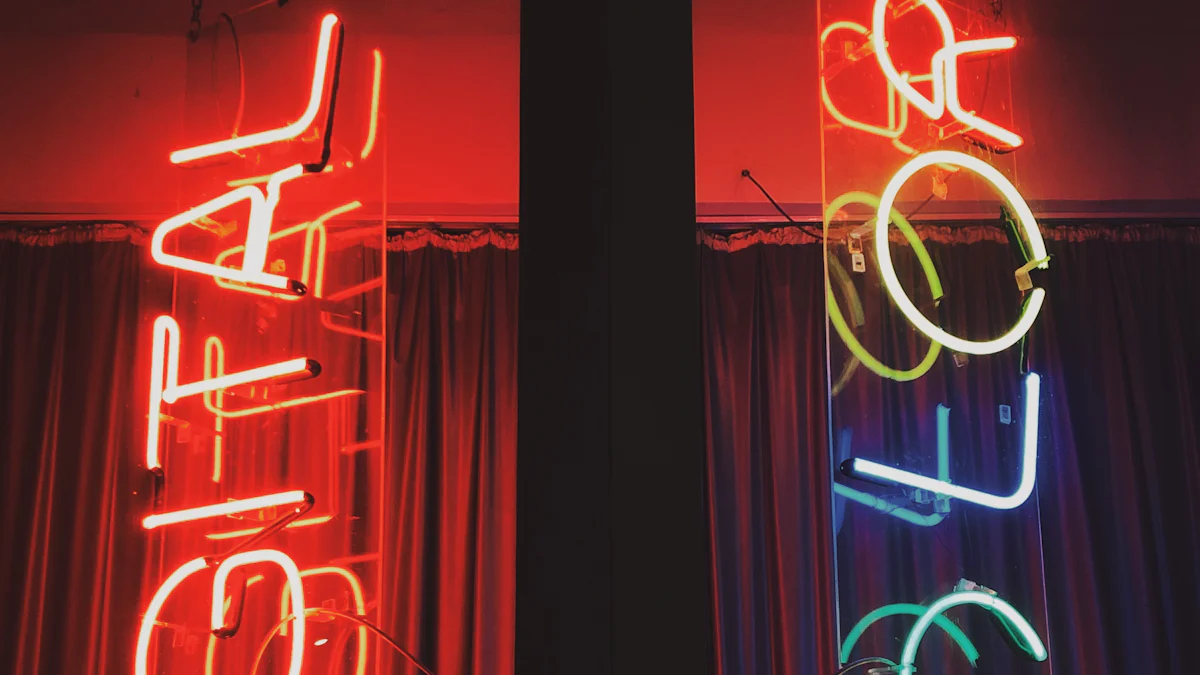
LED neon signs have revolutionized the signage industry by offering a cost-effective solution for businesses looking to enhance their visual presence. The transition from traditional neon signs to LED alternatives has been driven by the key differences between the two technologies. LED neon signs consume significantly less energy, have a longer lifespan, require minimal maintenance, and are more durable compared to their traditional counterparts.
In terms of cost-effectiveness, LED neon signs stand out as a sustainable investment for businesses seeking long-term signage solutions. The durability and energy efficiency of LED technology translate into reduced operational costs over time. Unlike traditional neon signs that often require frequent maintenance and replacement due to fragile glass tubes and gas-filled components, LED neon signs are designed to withstand various environmental conditions without compromising their luminosity.
The cost-effectiveness of LED neon signs is further accentuated by their low power consumption and extended lifespan. Businesses can benefit from lower electricity bills and reduced maintenance expenses, contributing to overall cost savings in the signage budget. Additionally, the flexibility and customization options offered by LED technology allow businesses to tailor their signage designs according to specific branding requirements without incurring significant additional costs.
Flexibility and Customization
One of the standout features of LED neon signs is their unparalleled flexibility and customization capabilities. Unlike traditional neon signs that are limited in design variations due to the constraints of glass blowing and gas filling processes, LED technology opens up a world of creative possibilities for businesses. LED neon signs can be crafted into intricate shapes, vibrant colors, and dynamic animations to capture attention and convey brand messages effectively.
The adaptability of LED neon signs extends beyond aesthetic appeal; it encompasses practical considerations such as weather resistance and impact durability. LED technology ensures that signage remains vibrant and visible even in challenging outdoor environments, making it an ideal choice for both indoor and outdoor applications. Businesses can confidently display their brand identity through custom-designed LED neon signs that reflect their unique style and messaging.
Moreover, the ease of installation and maintenance associated with LED neon signs enhances their appeal for businesses seeking hassle-free signage solutions. The longevity of LEDs reduces the frequency of replacements, minimizing downtime and ensuring continuous visibility for brands. With customizable options ranging from color gradients to animated effects, LED neon signs empower businesses to create captivating displays that resonate with their target audience while maintaining cost-effective operations.
By embracing the adoption of modern LED technology in signage applications, businesses can elevate their visual branding strategies with cost-effective solutions that offer unmatched flexibility, customization possibilities, durability, energy efficiency, and longevity compared to traditional neon alternatives. The rise of LED technology heralds a new era in modern signage where innovation meets sustainability for impactful brand communication.
LED neon signs offer unparalleled savings and efficiency over traditional neon signs.
Choosing LED neon signs can reduce environmental impact and resource consumption while enjoying high-quality signage.
LED neon signs contribute to a greener and more sustainable future, providing vibrant and eye-catching signage that is durable, longer-lasting, and requires less maintenance.
See Also
Exploring the Advantages of LED Neon Signs for Businesses
A Comprehensive Comparison of LED Neon Sign Options
The Advantages of Personalized LED Neon Signs: An In-Depth Look
Understanding the Benefits of Custom Neon Signs: A Detailed Overview
About US
Follow Us
Rebow was founded in 2014 which is a company dedicated to creating high-end neon art in the world.With over 5000 square meters dust-free workshop, automatic production lines, modernized equipments and 100 employees,20 engineers, 30QC etc.qualitified work team.
Address
Address:1608,Unit C,No.37,west gemstone road,longteng community ,shiyan street ,bao an district ,shenzhen,China
Contacts
sales02@rebowsigns.com
WhatsApp:+86 18038005211
